
The last time we shared a real case of a hidden moth infestation, we were surprised by how many people it reached. We received questions from people dealing with persistent moth problems of their own, many of whom had reached their wits’ end trying to find where the moths were coming from and how to finally get rid of them.
The truth is, moths don’t always hide in the places you’d expect and finding them can sometimes be surprisingly difficult. For example, what happens when there doesn’t appear to be an obvious food source?
A recent case we worked on provided an unexpected answer to this question. The owners had removed virtually every obvious food source, but the moths were still there. Their story shows why, sometimes you have to keep following the clues to places you would never normally look.
Reed also: Why Do Moths Keep Appearing in My House?
Our clients had tried everything
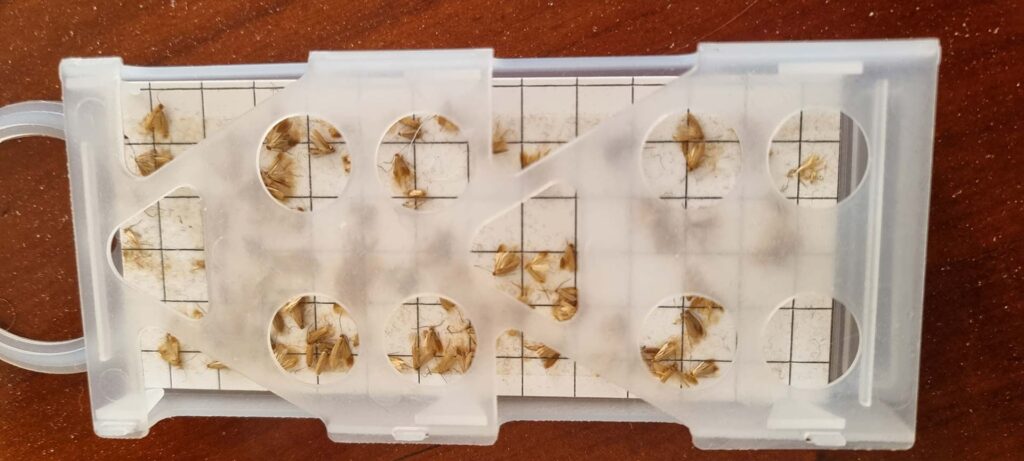
We have been contacted by this young couple. They had bought a house a few years ago and they’ve noticed there is an established moth infestation from the beginning but thought they can deal with it. They had done some renovations, cleaned the house, and removed old furniture. It turned out this wasn’t enough since they kept seeing these pests in the house. One day they decided that they had enough of those moths, so they removed all the carpets and restored the hardwood flooring. Although these steps helped reduce the number of insects they were seeing, they did not completely disappear. They then had the house treated for moths by several different companies, however, the problem would still persist. Exhausted by all these failed attempts, they decided to contact Moth Exterminator and arrange an inspection.
You might also like: How Long Does a Moth Infestation Last Without Treatment?
The usual checks didn’t reveal the infestation source
When our technician was called to the property, he asked as many questions as he could and listened to every detail of the clients’ experience with the infestation so far. With a stubborn moth infestation like this one, there is often a hidden source that has been overlooked, so our colleague decided to inspect the property in great detail. He went through the house, checking it from top to bottom, starting with the loft area. The loft was clean and free of clutter and it was obvious that it had been recently renovated. No signs of moths were found up there. Then, our technician proceeded to check all vents, cupboards and any hidden storage areas. Still nothing!
The clients also mentioned that they had placed monitoring traps in all the rooms. Since the visual inspection hadn’t revealed the source of the infestation, our colleague decided to check the traps next. He noticed that the traps in the master bedroom and the living room directly below it had significantly more moths than the others.
Read also: Moths in Unexpected Places: Your Carpet-Free Home Isn’t Safe!
Following the clues
The monitoring traps had given our technician two specific areas to investigate further, and the clients confirmed that these were also the rooms where they usually encountered the most moths. Since our colleague had thoroughly inspected every square inch of both rooms and found nothing, it became clear that the only place left to look into was under the floorboards. Fortunately, one of the floorboards in the master bedroom was secured with screws rather than nails, meaning it could be lifted. Our exterminator unscrewed and lifted it, hoping to find any clues, but once again, there weren’t any obvious signs of the infestation.
The hidden food source nobody had found
This is the point where our colleague could have moved on to look for other possible sources, but he had a brilliant idea. As the opening was in the centre of the master bedroom, he could not see what was going on in the corners, so he didn’t want to give up on this clue just yet. He grabbed his drain camera and… BINGO!
It turned out that dust and fibres from clothes and carpets had been accumulating beneath the built-in wardrobe in the master bedroom, finding their way through small gaps inside and around it. This accumulation provided enough food for the moths’ life cycle to continue after all the obvious food sources had been removed.
These findings helped explain the persistent moth activity in the bedroom and the living room. The clients now need to find a reliable company to have the floor opened and the area cleaned before we can carry out any treatment, so we have put this case on hold until that work is completed.
What this case tells us about persistent moth infestations
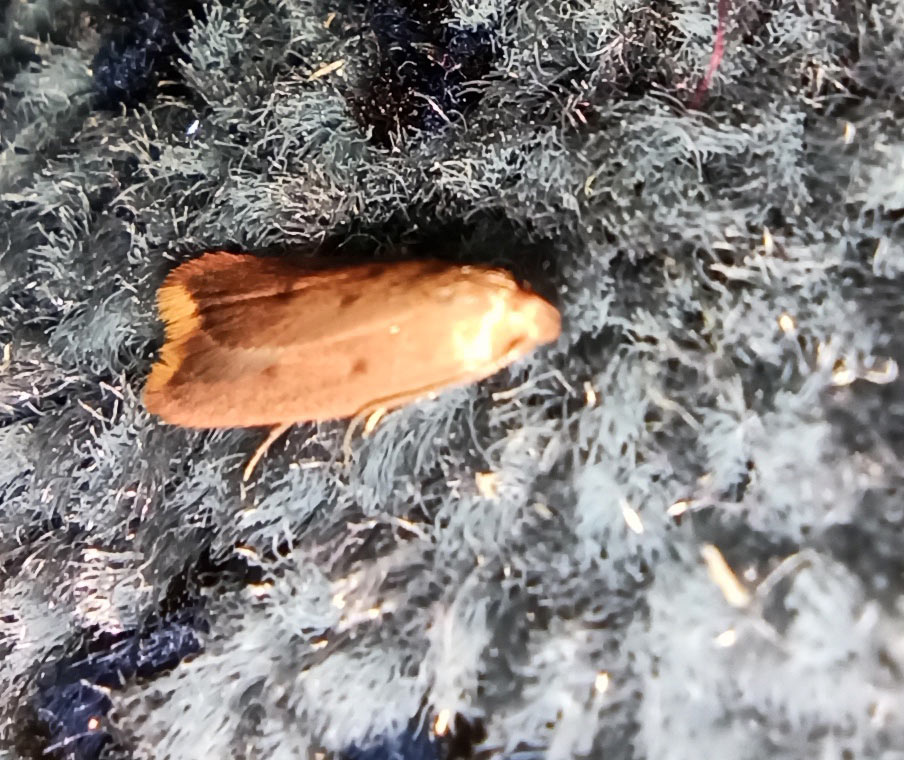
This case is a perfect example of why persistent moth infestations can be difficult to deal with. Sometimes, the obvious food sources have already been removed, and the usual places reveal nothing. So, what can we learn from this inspection?
1. Every detail matters when talking to your exterminator
When dealing with a persistent moth infestation, don’t assume that something you’ve noticed or tried isn’t relevant. Listening carefully to the clients’ detailed account of the situation helped our technician understand the situation and decide where to investigate next. Their experience with the infestation was an important part of the investigation, not something to overlook.
Read also: What Signs Indicate a Moth Infestation in Your Home?
2. Removing the visible food sources isn’t always enough
Removing carpets and old furniture can help reduce a moth infestation, but it doesn’t necessarily eliminate every possible food source. Fibres and debris can be found in less obvious places, including beneath floorboards, around built-in furniture, and sometimes even behind walls. Some decorative items can also provide food for moth larvae, so make sure to remove all cloth moth attractants from your house if you are dealing with a persistent infestation.
3. Where you see moths can help identify where to investigate
Any changes in the home should be monitored, as even small details can help identify the source of an infestation quickly and efficiently. In this case, neither the monitoring traps nor simply seeing moths flying around the house revealed the source of the infestation on their own. Still, together they showed a pattern that gave our technician an important clue and helped him narrow down the search rather than treating the house as one big mystery.
4. Persistent infestations may require a different approach to inspection
When a thorough visual inspection doesn’t reveal the source, it may be necessary to investigate concealed spaces or use specialist equipment. In this case, the usual places didn’t reveal anything, so our technician had to think outside the box and look somewhere that wouldn’t normally be considered. If you are dealing with a persistent infestation and none of the usual tactics are helping you discover the source of the problem, you might need to get creative.
You might also like: What Smell Keeps Clothes Moths Away?
Need help with a persistent moth infestation?
If you’ve tried removing carpets, cleaning affected areas or arranging treatments but the moths keep coming back, you might need to try a different approach. Contact Moth Exterminator to arrange an inspection. We’ll investigate the situation, look for possible sources and help you work out the next steps.


